
Walk into a land based casino poker room and the first thing you notice is the pace. Cards move slower than a screensaver, dealers call the action out loud, and the room itself becomes part of the game. That physical setting is the whole point for players who want the table in front of them rather than a dashboard on a phone. I have spent twenty-five years inside gaming and three decades working across slots, online products and platform development, and I still reckon a live room rewards patience in a way a feed never quite does. If you are weighing that against digital options, it helps to compare the priorities honestly rather than chase a headline.
What the room actually asks of you
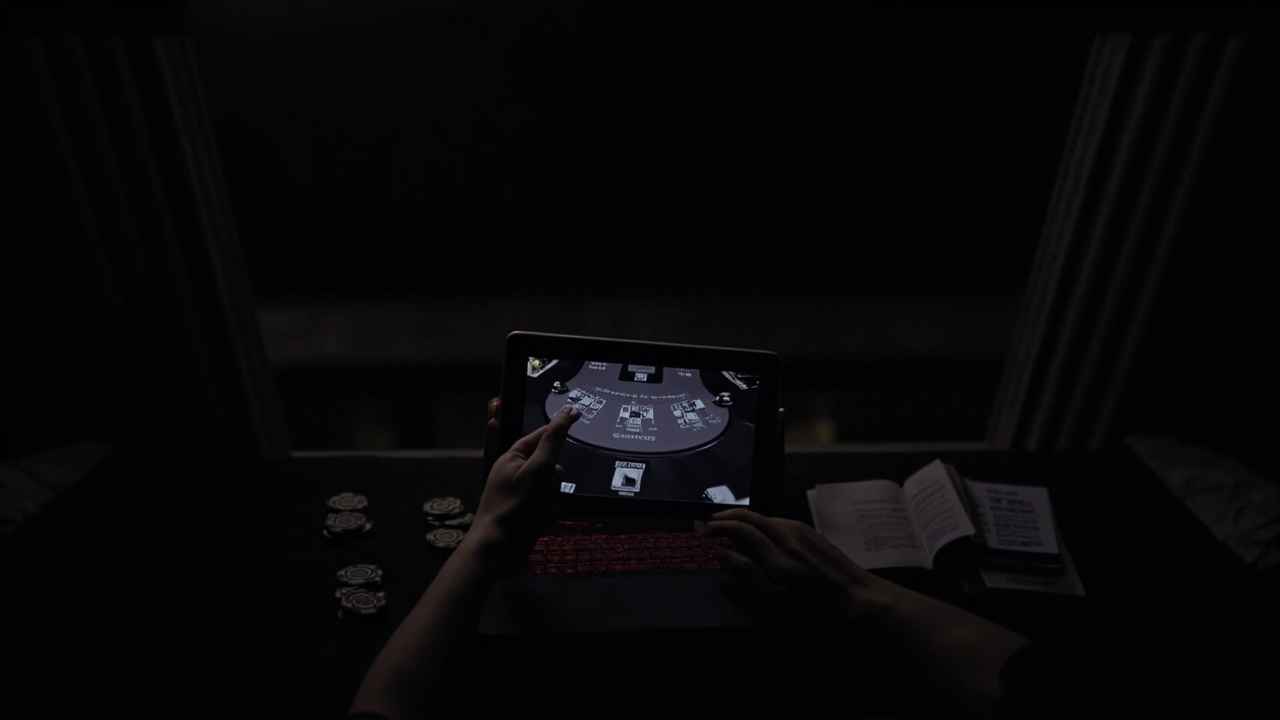
A land based casino poker room is built around presence, not speed. You buy in, find a seat, and listen to the dealer work the table through blinds, actions and the small rituals that keep the game readable. That structure matters because it shapes how you play. Headphones or ignoring the crowd will not change random outcomes, but they can help discipline when you are trying to stick to a limit instead of chasing a bad beat. The room’s visual identity tends to lean on clear sightlines, readable felt layouts and a layout that keeps the clock, the pot and the dealer’s indicators easy to track from every angle. Navigation is physical: you read the table stakes on a sign, you follow the floor staff to an open seat, and you learn the room’s rhythm by watching a couple of orbits before you commit. Currency is usually Australian dollars at the cage, and the language on the felt stays simple because the game itself is the interface. If you want a side-by-side feel for how table games compare with digital table choices, a look at three-card poker and real-money casino choices for Australians shows how different the priorities can be when the screen is the whole environment.
| Room feature | What it means at the table |
|---|---|
| Table stakes | Printed clearly on the sign, so you know the min and max before you sit |
| Dealer cadence | Verbal calls and chip handling set the pace, which helps you read the action |
| Seating flow | Floor staff direct traffic, so you do not have to hunt for an open seat |
| Currency display | Australian dollars at the cage keep the buy-in and payouts straightforward |
| Noise and focus | Background chatter is part of the room, so discipline matters more than volume |
A beginner’s guide to sitting down without overspending
If you are new to a land based casino poker room, treat the first visit like a lesson in pacing rather than a shot at a big score. Start by reading the table sign so you know the blinds and the buy-in range before you take a seat. Watch one or two orbits from the rail and notice how the dealer calls the action, because that rhythm tells you more than any app tutorial. Keep your buy-in small enough that a rough hour does not wreck the night, and decide on a stop point before the first card is dealt. When you do sit, play tight early so you can learn the table without bleeding chips on every street. Ask the floor a straightforward question if you are unsure about a procedure, because staff would rather answer once than sort out a messy hand later. If you want a practical angle on table-game pacing, three-card poker and real-money casino choices for Australians is a useful read for seeing how a simpler table game fits into a broader night out. The point is to leave with your bankroll intact and a clearer sense of the room, not to force a result.https://ozwinbonus.org
Where the room fits alongside digital options
A land based casino poker room sits on a different set of priorities than a platform built for quick sessions. You are paying for the table, the dealer and the room’s atmosphere, not for a fast feed of hands or a stacked lobby. That changes how you think about time and money: a live session tends to run on the casino clock, with breaks for food, a walk, or a reset at the cage, while a digital table can compress the same action into a much shorter window. Localisation matters here too, because an Australian room usually keeps the language, the currency and the signage in a form that feels familiar without needing a settings menu. Support in a physical room is face to face, which is slower in one sense but more direct when you need a question answered at the table. Loyalty in this setting usually shows up as a rewards card or a comp structure tied to time on the floor, which is a different incentive model from the points and bonuses you see online. I have built products where the interface had to make every click obvious, and I still judge a live room by whether a newcomer can read the table and buy in without feeling lost. If you are comparing that experience with digital table play, three-card poker and real-money casino choices for Australians is a fair place to see how the two formats ask for different things from the same player.Three-card poker and real-money casino choices

The room is not a shortcut to a better result, and it is not a substitute for discipline. It is a different way to sit at a table, with its own pace, its own costs and its own kind on the brand’s site of focus. If that suits how you want to play, the experience is worth judging on its own terms. If it does not, there is no need to force it. Australia’s gambling helplines are free, confidential and available 24/7, which is worth keeping in mind whenever the night runs longer than the budget.